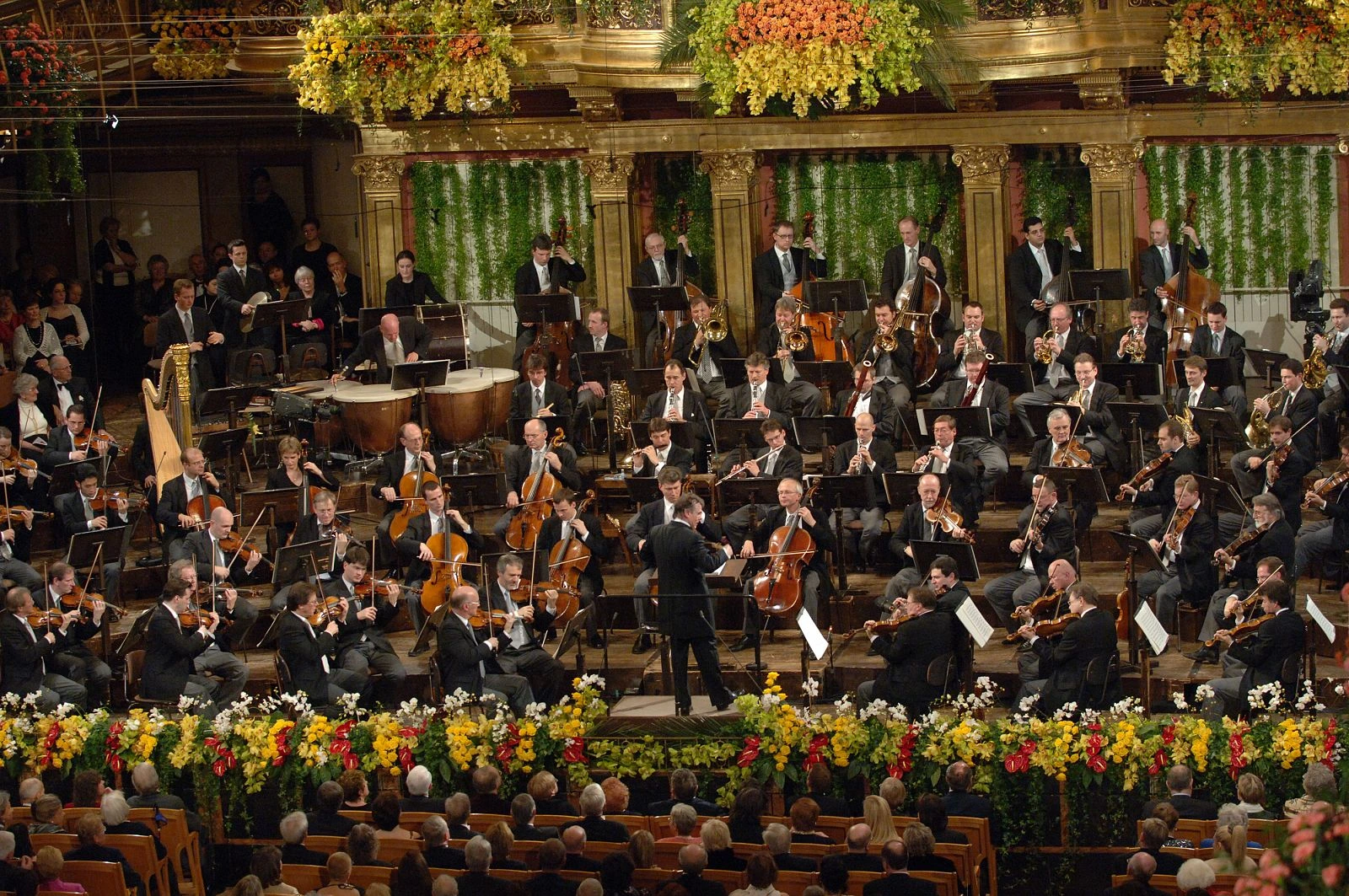
1 - Vienna Philharmonic
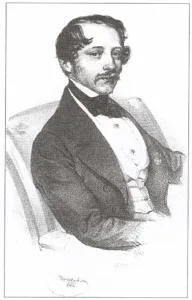
For many it is, without question, the best orchestra in the world. As proof, the billions of people who follow its New Year's Concerts live every Christmas. It is one of the oldest orchestras, its origin dating back to 1842, when it was founded by Otto Nikolai. Among its peculiarities are the absence of a principal conductor and the meticulous selection tests its members must pass to become part of this prestigious ensemble.
In addition, each musician has a say in important decisions, which fosters a unique atmosphere of collaboration and contributes to the unmistakable sound that is so admired. The orchestra is famous not only for its impeccable performances of classical music, but also for its ability to adapt to various musical styles, always surprising its audience with innovative programs. This combination of tradition and innovation is what has kept the orchestra at the top of the musical world for more than a century.
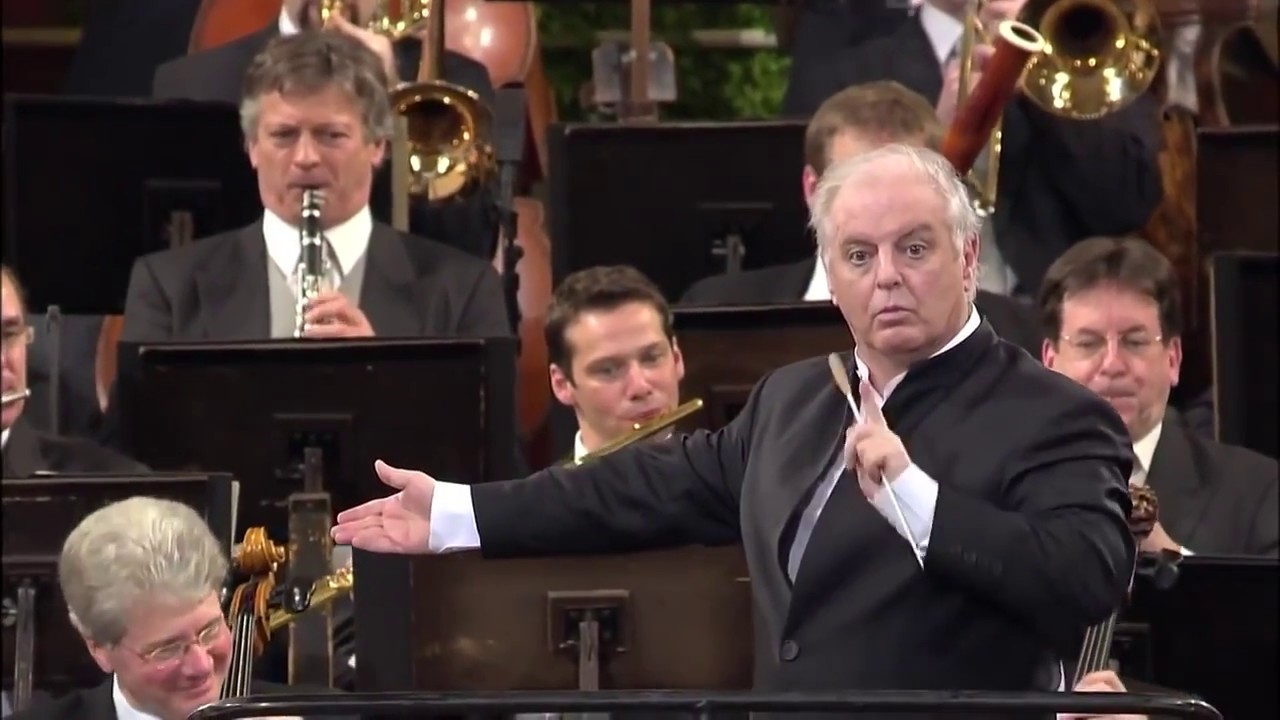
Johann Strauss I: Marcha Radetzky
Orquesta Filarmónica de Viena
Director: Daniel Barenboim
2 - Berlin Philharmonic
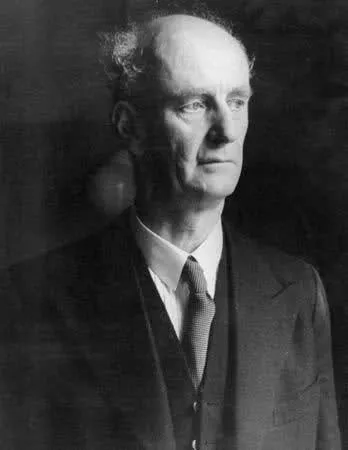
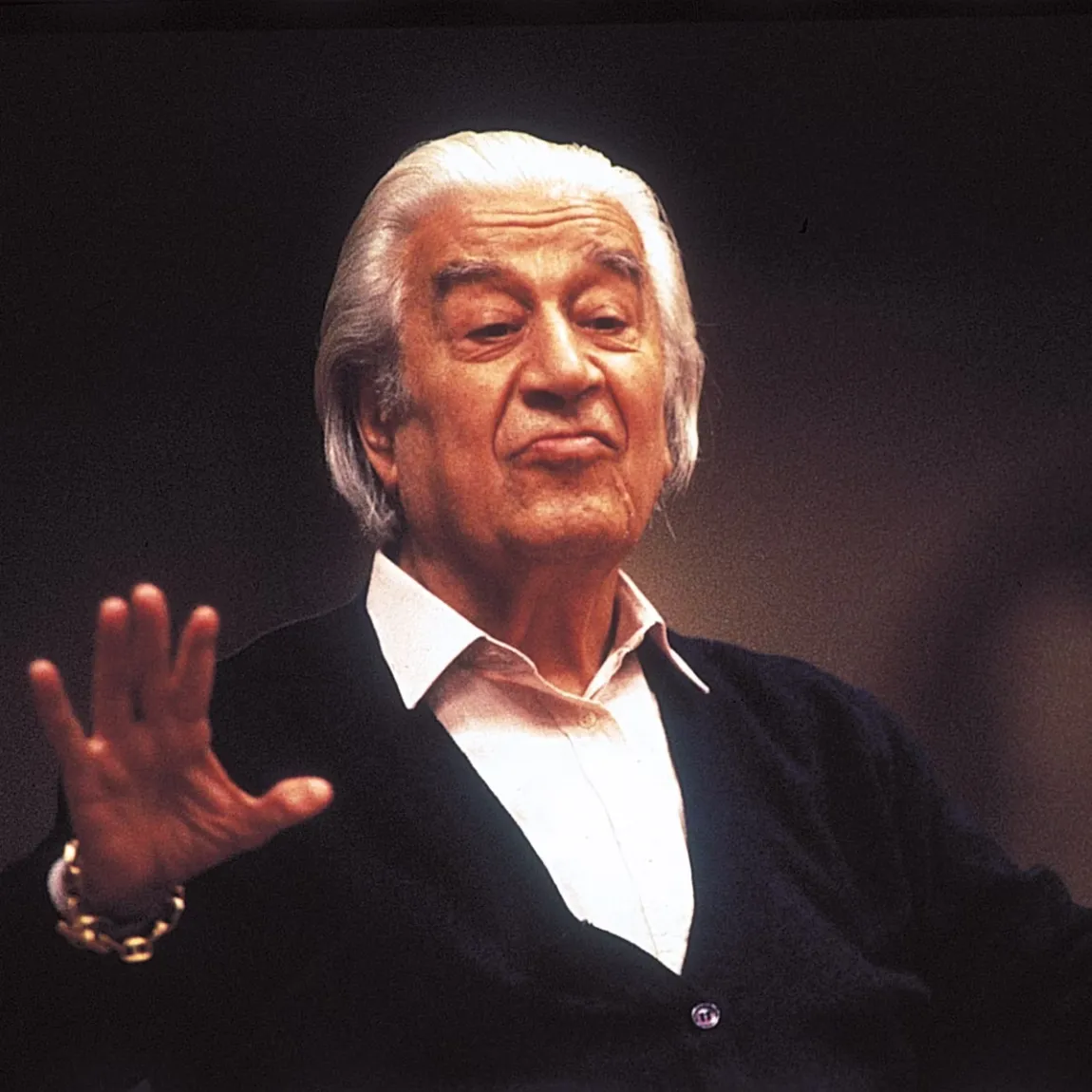
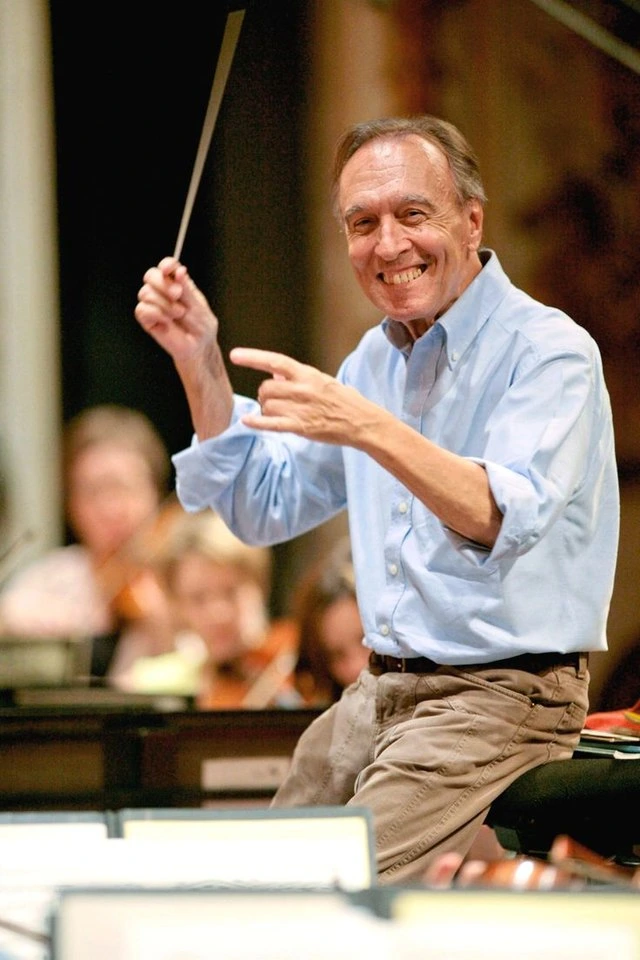
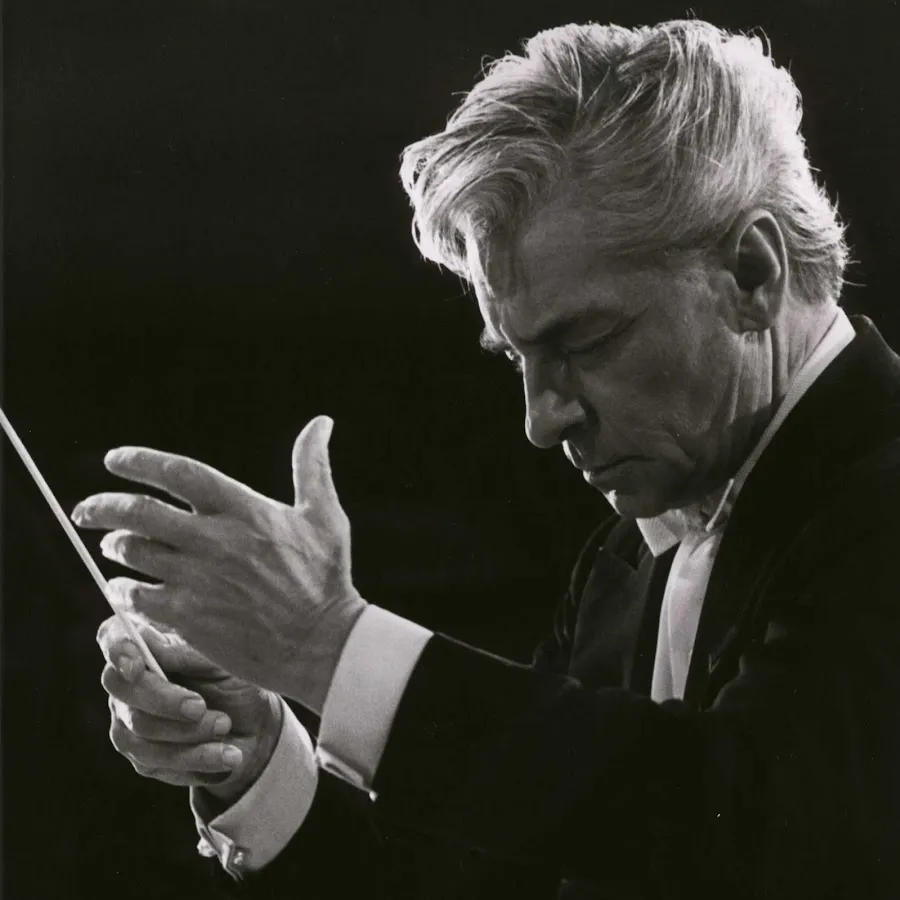
The birth of this German orchestra dates back to 1882. Among its endless list of principal conductors appear names as famous as Wilhelm Furtwängler, Sergiu Celibidache, Claudio Abbado and, above all, Herbert von Karajan. Its repertoire is inexhaustible and its home, the Philharmonie Saal, has one of the best acoustics on the planet.
With such a rich history, it is easy to understand why this orchestra remains a benchmark in the world of classical music. The concerts it offers are usually unforgettable spectacles, attracting music lovers from all over the world. Moreover, the way its musicians perform masterpieces is simply captivating. Without a doubt, attending one of its recitals is a unique experience that leaves a mark on the heart and the senses.
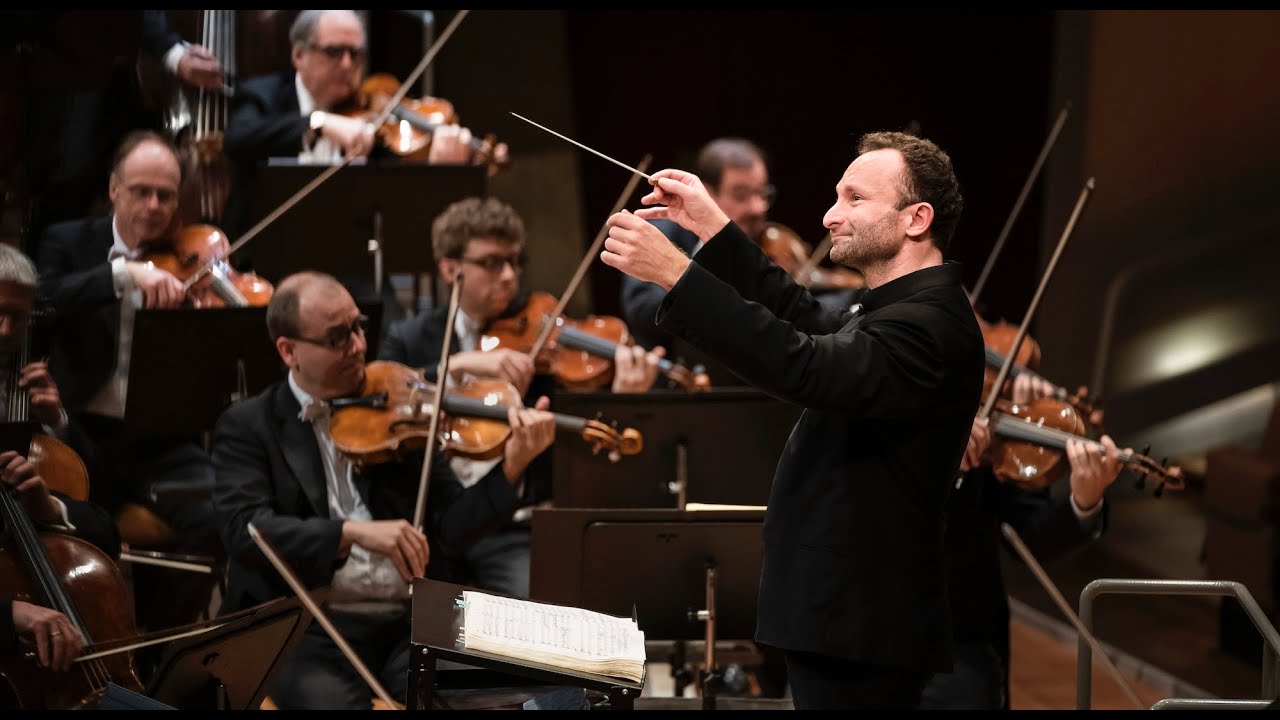
Tchaikovsky: Romeo y Julieta
Orquesta Filarmónica de Berlín
Director: Kirill Petrenko
3 - Royal Concertgebouw Orchestra of Amsterdam
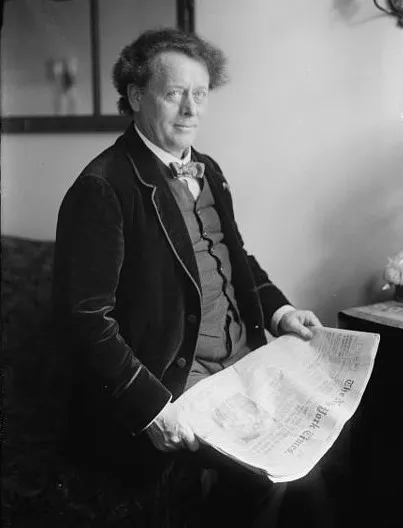
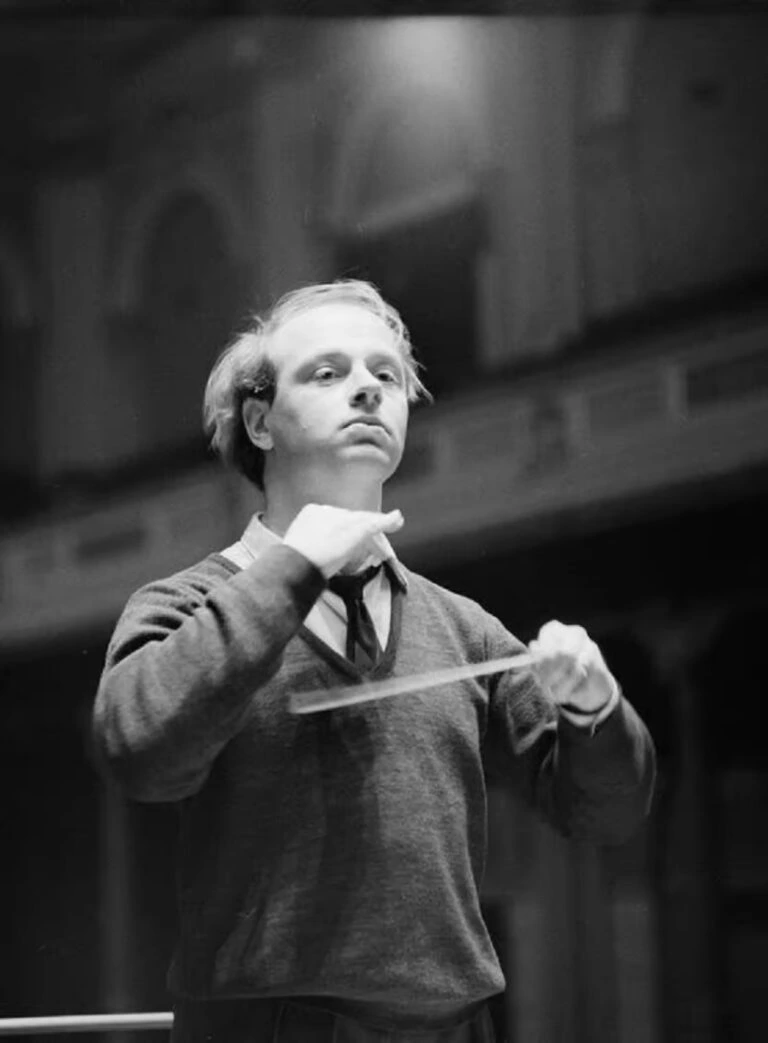
The most famous orchestra in Amsterdam and all of the Netherlands was founded in 1888 in the spectacular hall from which it takes its name (known for its very long staircase). Much of its success comes from its principal conductor, Willem Mengelberg, who was ably succeeded by Bernard Haitink.
Its woodwind section is considered one of the best in the world and its unmistakable sound has captivated audiences everywhere. Over the years, the orchestra has played with numerous soloists and renowned conductors, consolidating its international reputation. Its performances usually include both classical repertoire and contemporary works, offering a diverse and enriching musical experience for all attendees. In addition, the intimate and welcoming atmosphere of the hall adds a special touch to each concert, making every performance memorable.
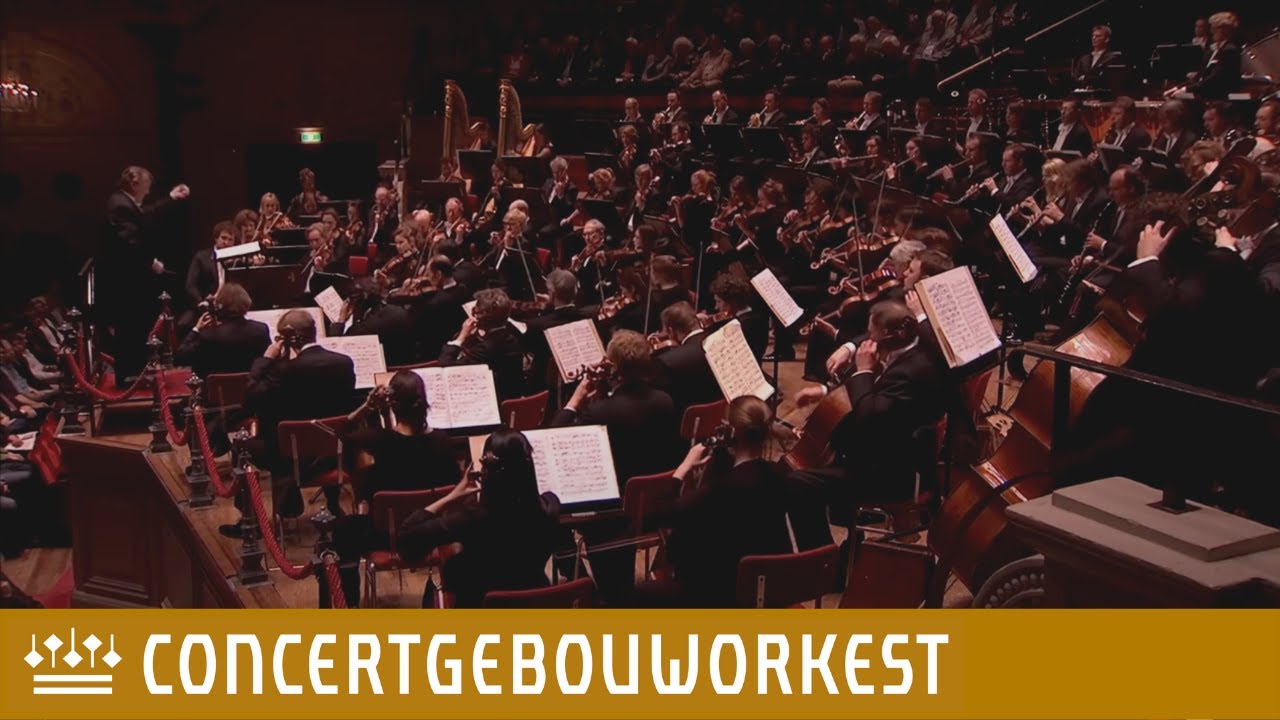
Strauss: Also sprach Zarathustra
Orquesta del Concertgebouw de Ámsterdam
Director: Mariss Jansons
4 - Chicago Symphony
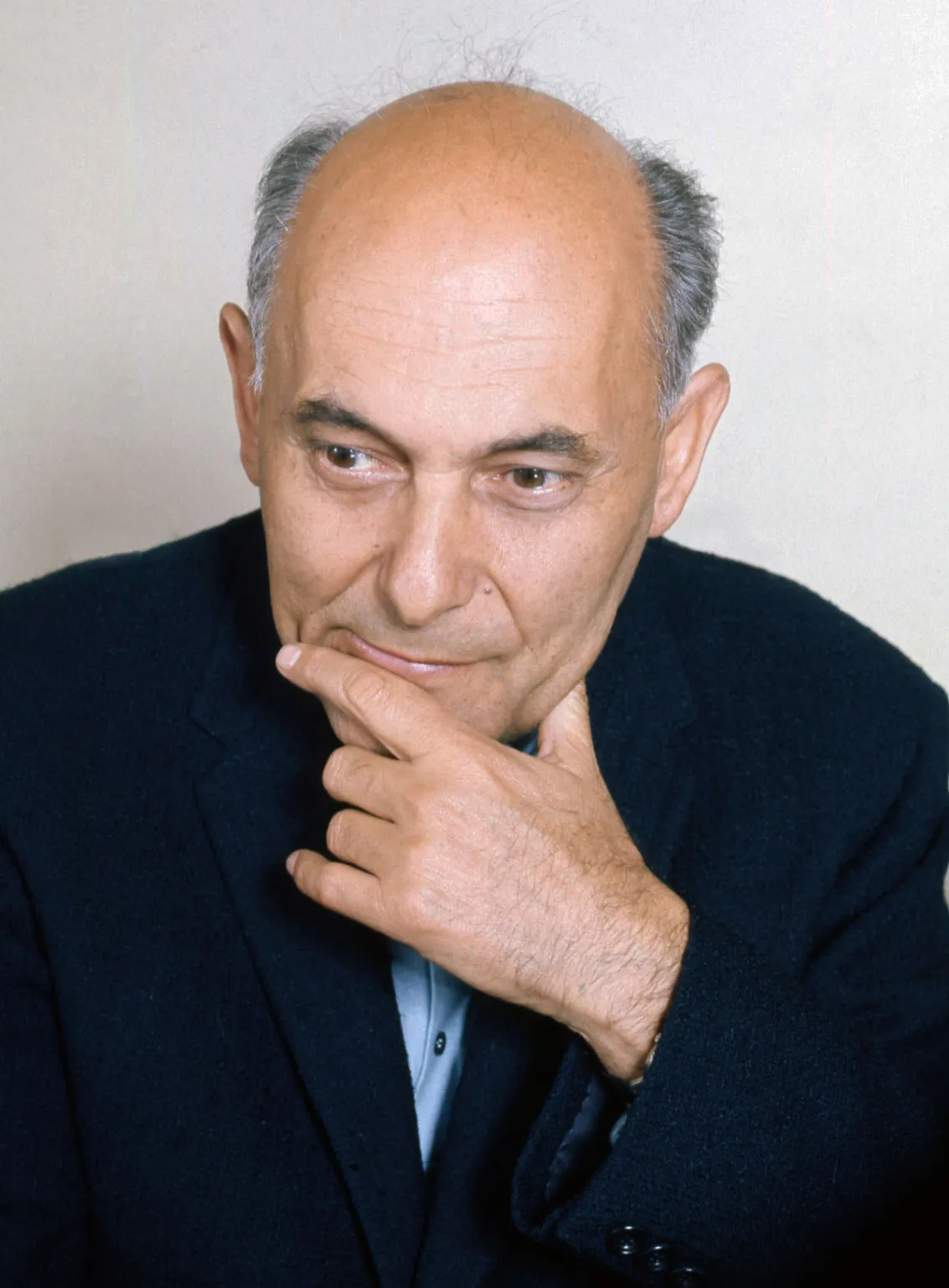
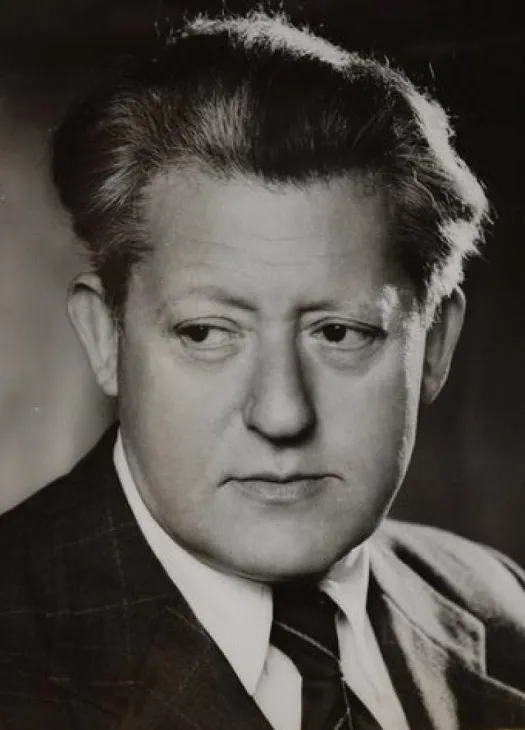
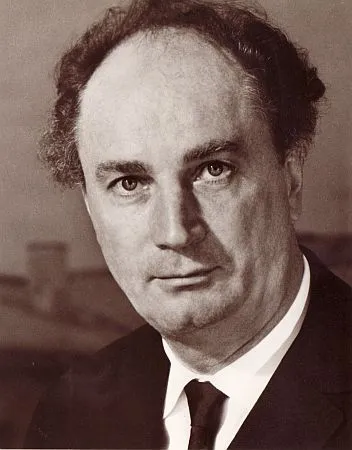
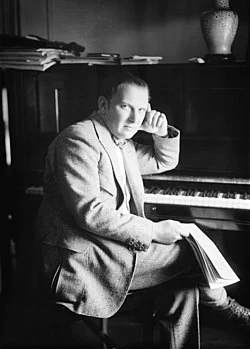
The orchestra, founded in 1891, has been considered by many to be the best on the American continent, especially during Georg Solti's tenure in the 1980s. Throughout its history, it has been led by the baton of outstanding maestros such as Artur Rodzinski, Rafael Kubelik and Fritz Reiner, who have contributed to its prestige and musical excellence.
This rich artistic heritage highlights not only the individual talent of its conductors but also the collective commitment to sonic perfection. The orchestra remains a cultural benchmark that inspires new generations and keeps alive a musical tradition that transcends borders. In short, its legacy endures as a vibrant testimony to the transformative power of classical music in America and beyond.
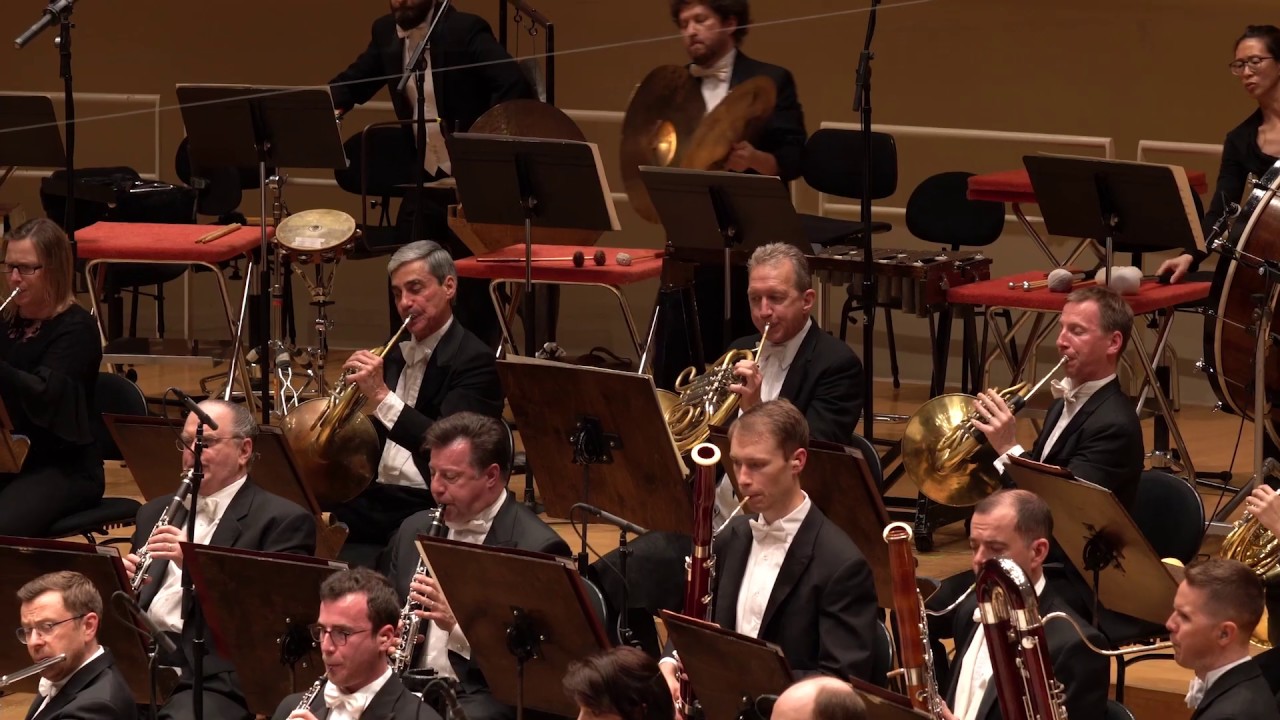
Respighi: Pinos de Roma
Orquesta Sinfónica de Chicago
Director: Riccardo Muti
Amadeus: the digital baton for your music school.
Shall we talk directly?
The fastest way is to talk. Tell us about your school and we’ll show you how Amadeus adapts to your needs. No strings attached.
5 - New York Philharmonic
The history of this orchestra is fascinating, beginning in 1842 when the first seeds were sown of what would become a legendary musical institution. However, one of its most notable moments occurred fifty years later, with the world premiere of Dvořák's Symphony No. 9 "From the New World", which captured the attention of the entire world. This event marked a turning point, but it was from 1909 onward that its importance on the international musical scene truly consolidated.
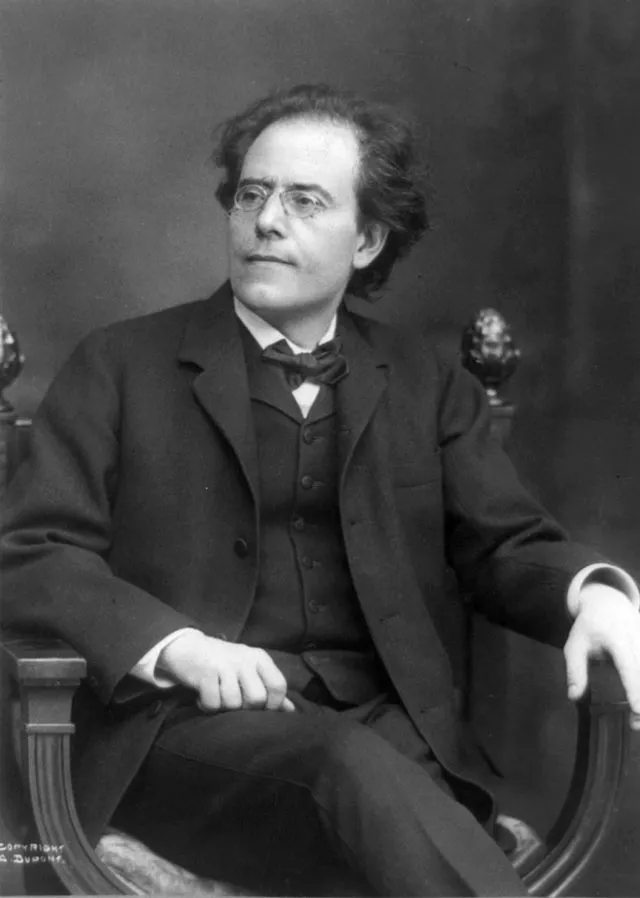
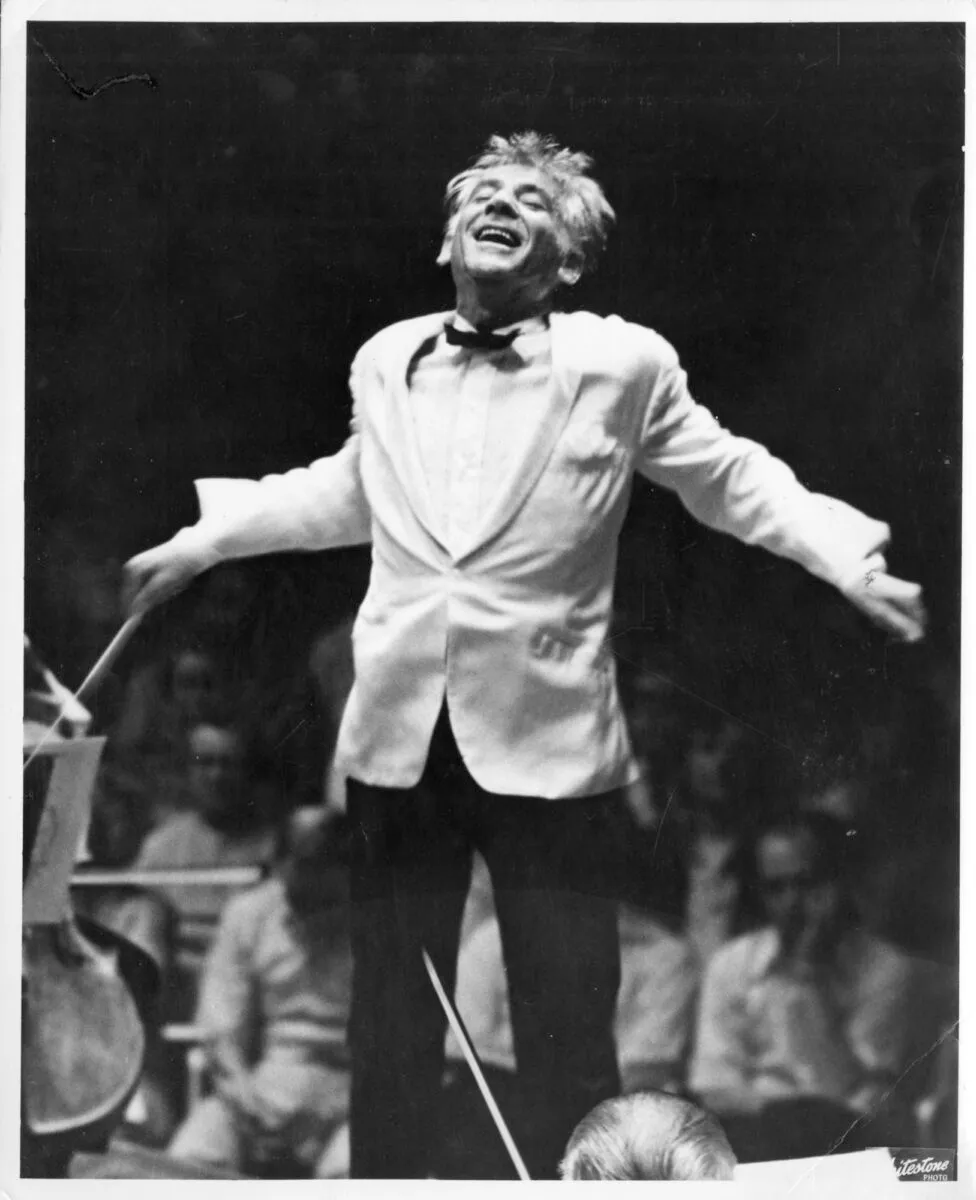
It was then that the orchestra became professional under the baton of figures as influential as Gustav Mahler and later Leonard Bernstein, who took its sound to new heights and cemented its legacy. With these visionary leaders at the helm, the orchestra not only gained global recognition but also inspired future generations to appreciate the sublime art of classical music.
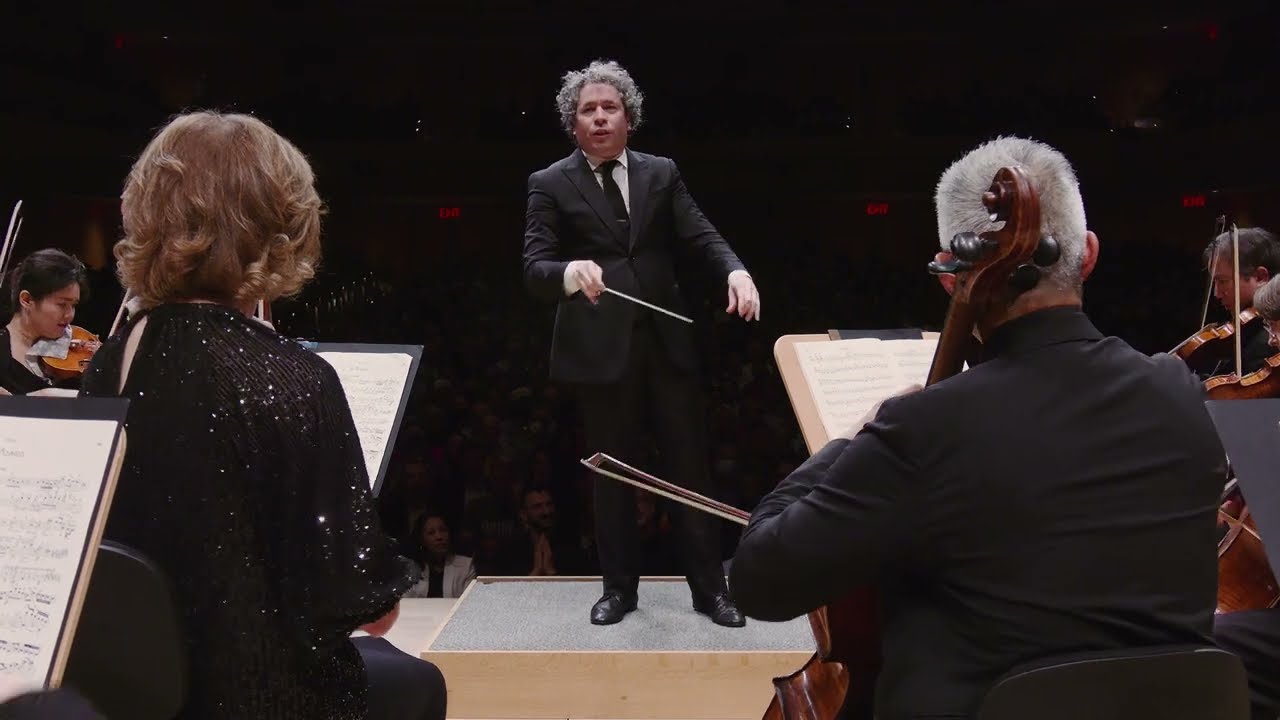
Mahler — Symphony No. 9 — 3. Rondo — Burleske
Orquesta Filarmónica de Nueva York
Director: Gustavo Dudamel
6 - London Symphony
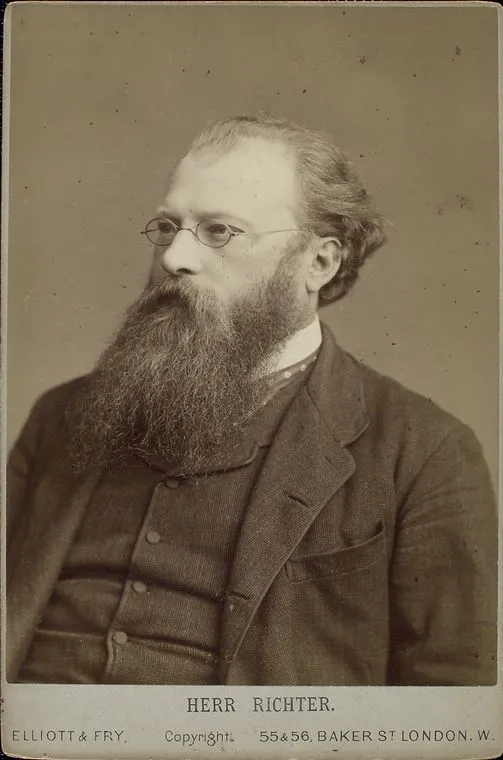
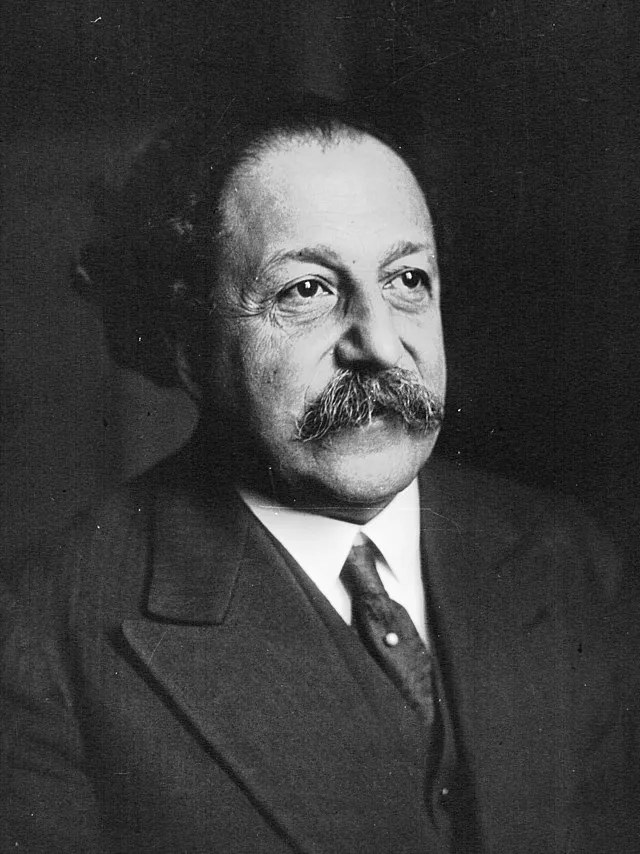
The first orchestra in London's history, born in 1904 thanks to Hans Richter, is a true icon of the musical world. From its beginnings, it has been a cradle of spectacular talents such as Barry Tuckwell and James Galway, who have left an indelible mark on classical music.
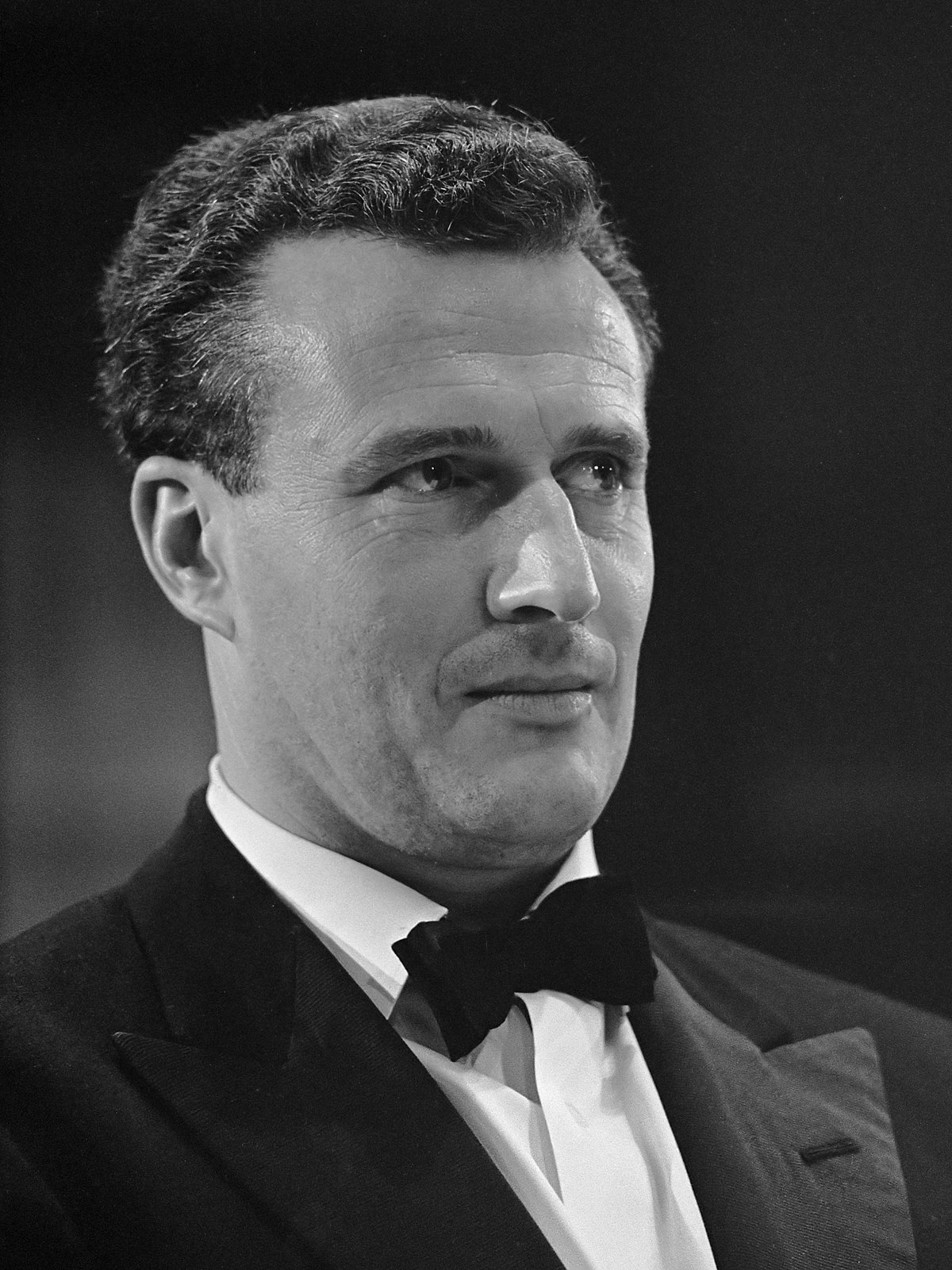
What really sets this orchestra apart is its impressive versatility; they have the unique ability to adapt their sound to the conductor and the work they perform, which allows them to offer very varied musical experiences. They also have an incredible stroke of luck: they cancelled their passage on the Titanic at the last minute just before embarking on a tour of the United States. Over the years, they have been conducted by legendary figures such as Monteux, Colin Davis and Abbado, who have helped cement their international prestige. This rich history speaks not only of their talent but also of the resilient and adaptable spirit that characterizes this extraordinary musical ensemble.
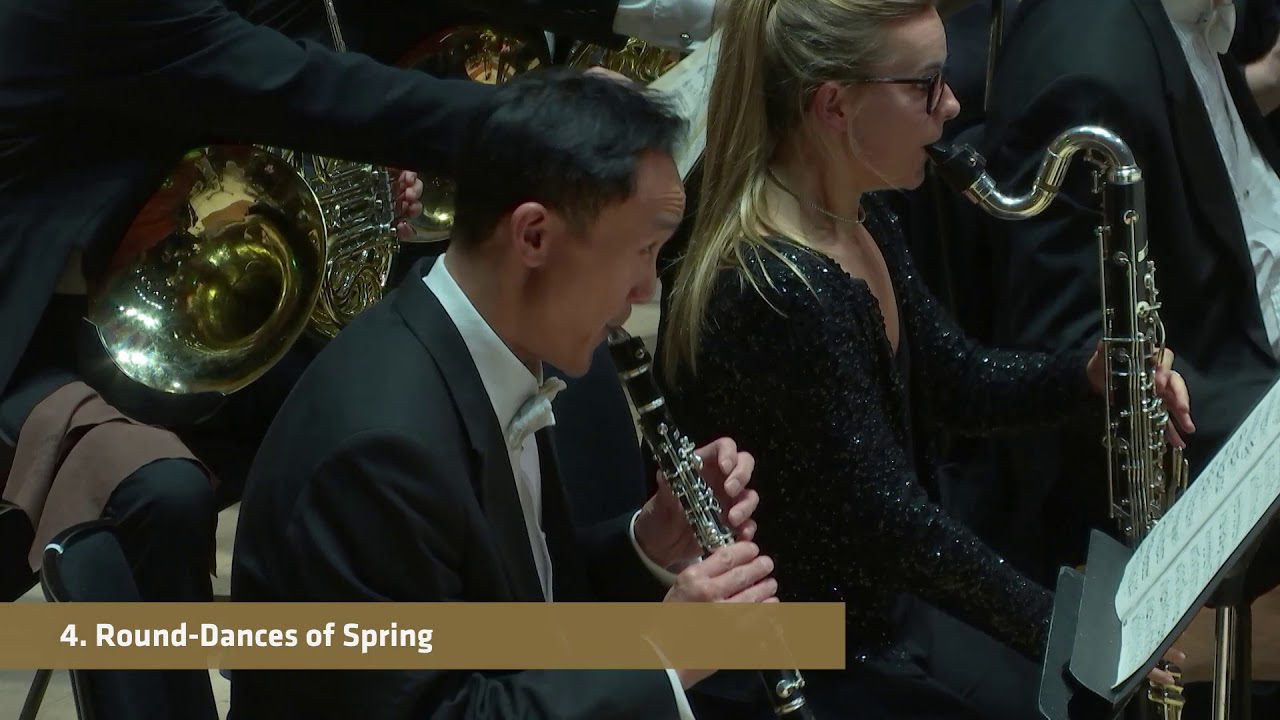
Stravinsky: La consagración de la Primavera
Orquesta Sinfónica de Londres
Director: Simon Rattle
7 - St. Petersburg Philharmonic
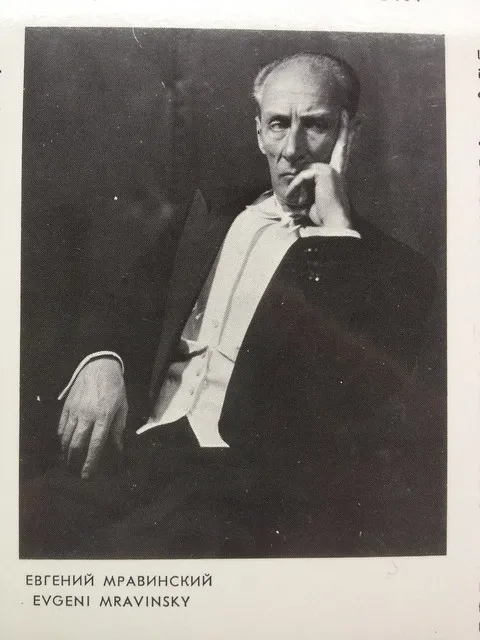
The orchestra, known at the time as the Leningrad Philharmonic, was without doubt a cultural pillar of the former USSR. Founded in 1882, it stands as the oldest ensemble in Russia, carrying a rich musical history that has left its mark over time. For more than half a century, Evgeny Mravinsky was the wizard who led this orchestra to new heights.
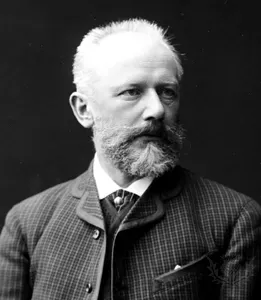
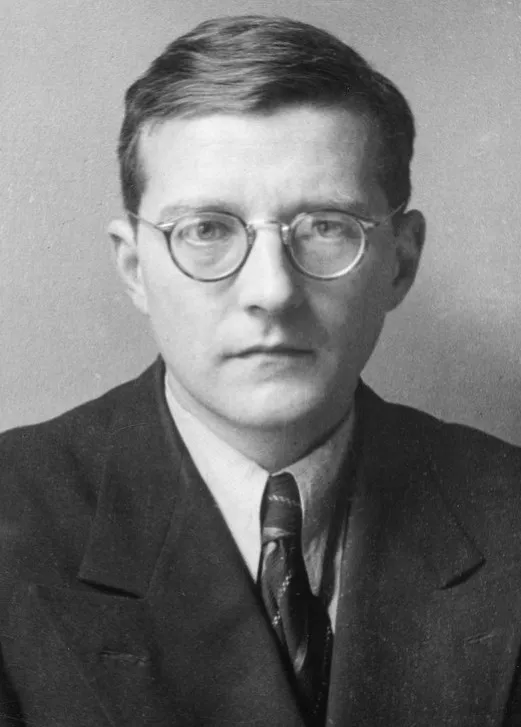
Under his baton, they not only performed masterful works but also undertook impressive international tours. These tours were crucial in introducing the world to the genius of iconic Russian composers such as Tchaikovsky and Shostakovich. The passion and dedication of Mravinsky and his orchestra resonated not only in concert halls but also in the hearts of the global audience, thus consolidating the Russian musical legacy on the international stage.

Dvořák — Sinfonía N.º 9 "Del Nuevo Mundo"
Filarmónica de San Petersburgo
Director: Yuri Temirkanov
8 - Orchestra of the 18th Century
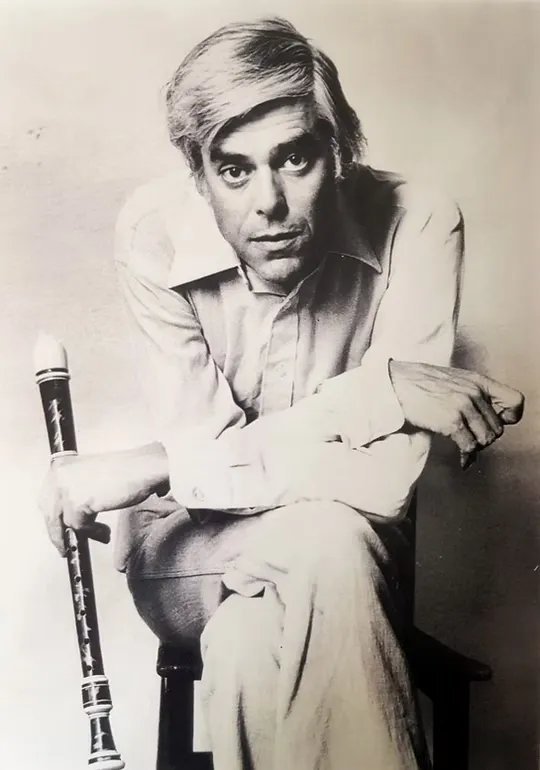
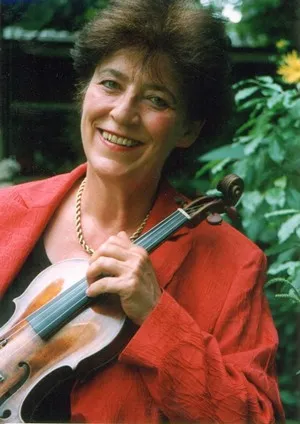
The Orchestra of the 18th Century is a gem of the Dutch musical scene, known for its authentic and vibrant interpretation of Baroque music. Since its founding in 1981 by the talented flautist Frans Brüggen and the violinist Lucy van Dael, this orchestra has captured the hearts of music lovers with its dedication to the works of the late Baroque, Classicism and early Romanticism.
Using original instruments or faithful replicas, they seek to recreate the sonic experience of those eras with a special touch that only they know how to give. The group's passion and commitment are reflected in every performance, where they manage to transport the audience to centuries past with every note played. The Orchestra of the 18th Century does not just perform music; it offers a journey through time that connects listeners with the very essence of historical compositions. Thus, they have established themselves as a world reference in the historical interpretation of these rich and varied musical styles.
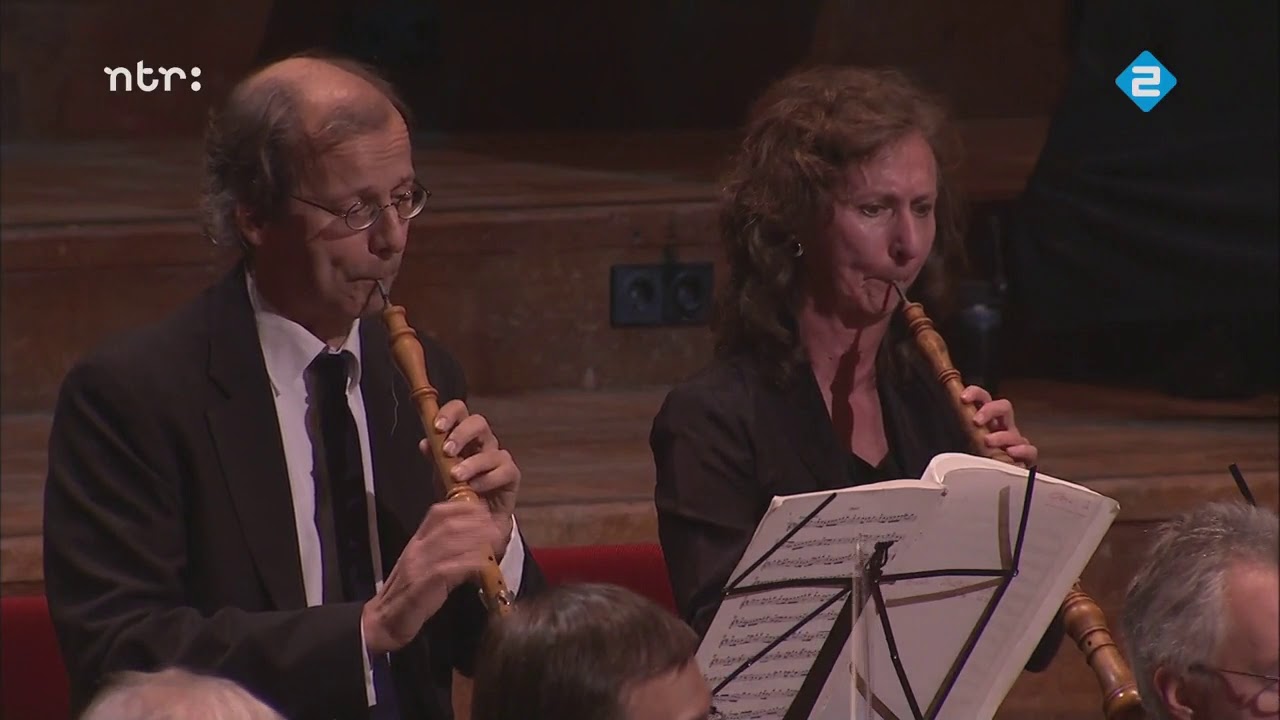
Bach — Suite Orquestal en Do Mayor
Orquesta del Siglo XVIII
Director: Frans Brüggen
Bonus - National Orchestra of Spain
The National Orchestra of Spain is a true musical treasure that was born in 1937, in the midst of the turmoil of the Civil War, thanks to the impetus of the Republic's Government. Its home is the prestigious National Auditorium of Music in Madrid, an emblematic place where art and culture are in the air. From its beginnings, it has played a fundamental role in spreading and promoting Spanish music, giving young national composers a platform for their works to be heard for the first time.
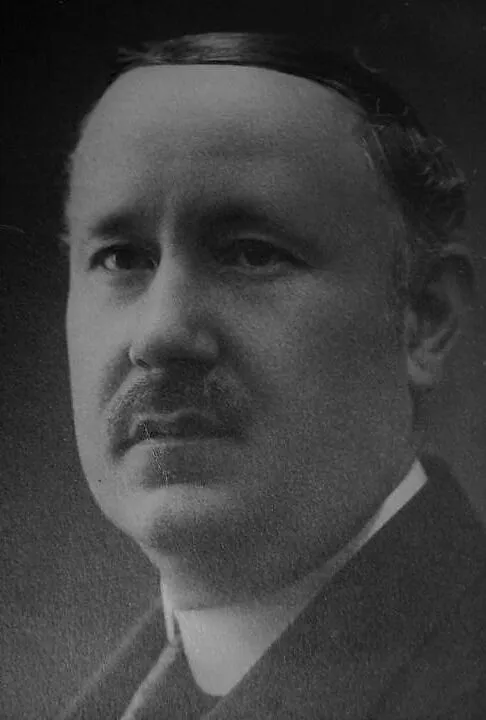
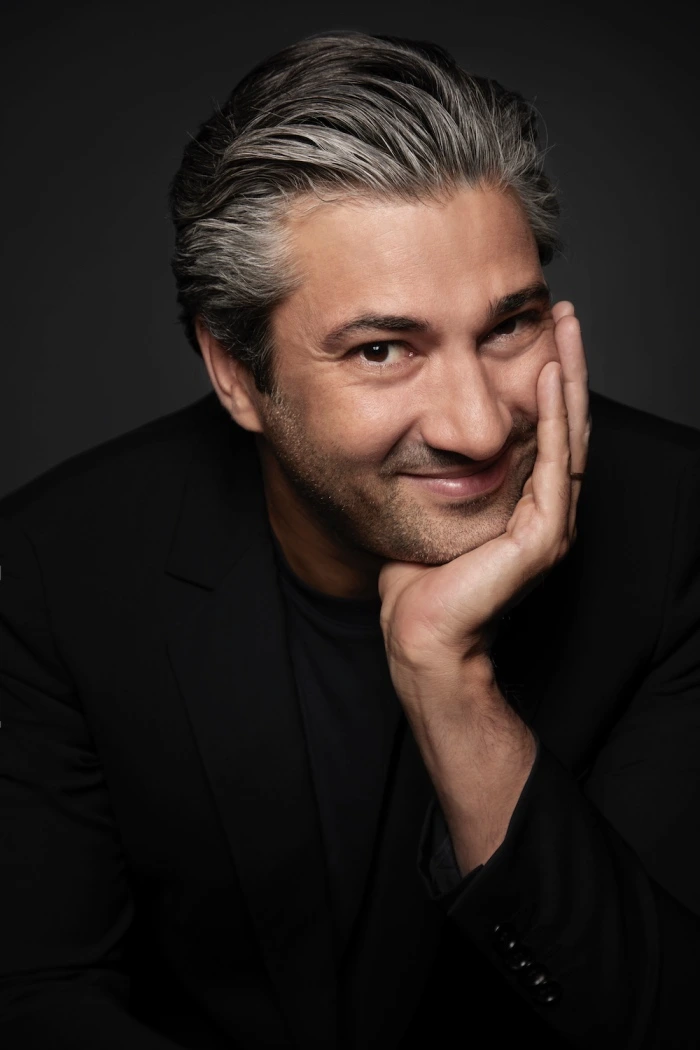
The Murcian composer Bartolomé Pérez Casas was the one who led this exciting musical adventure at the start, establishing a solid foundation for the future. Today, under the direction of the talented David Afkham, the orchestra continues to shine and carry the name of Spain to all corners of the world with its incredible repertoire and passion for music.
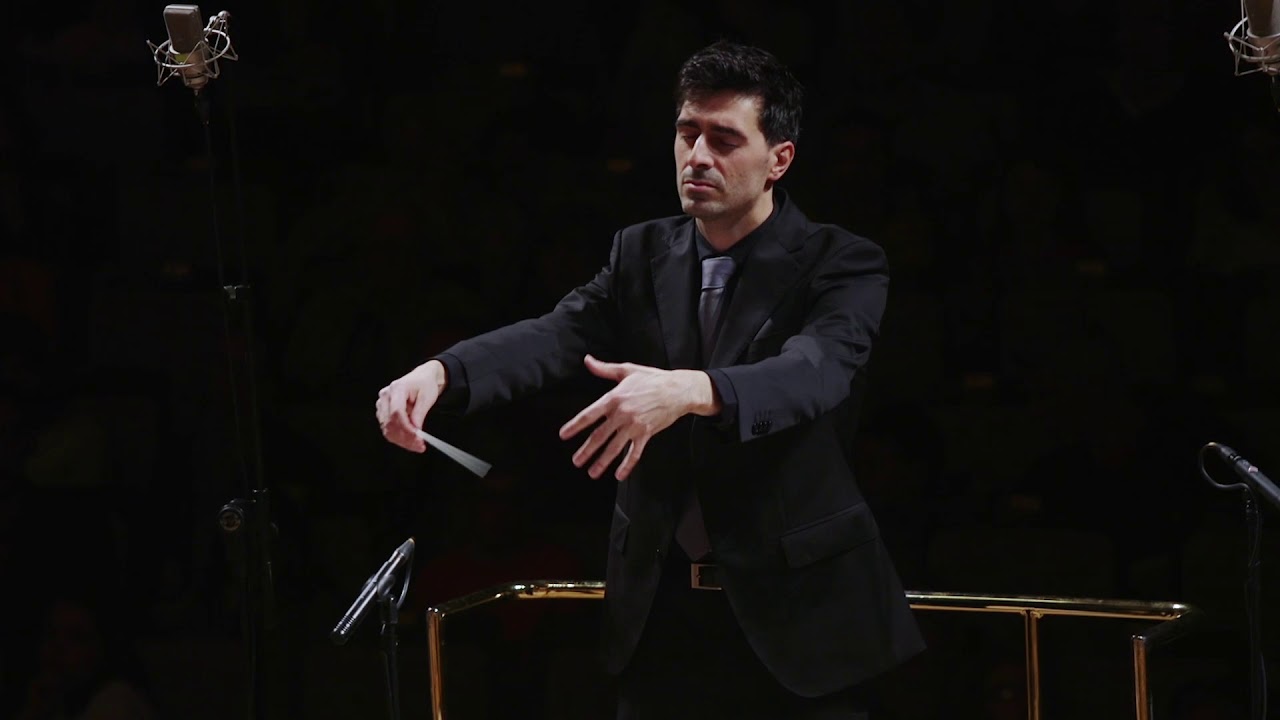
Gustav Holst: Los Planetas
Orquesta Nacional de España
Director: Jordi Navarro Martín