In the midst of digital transformation, adopting management software for music schools and conservatories —or a music education ERP— is now the most effective way to automate administration, optimize resources and improve the academic experience. These centers, with their unique structure of individual lessons, ensembles and instrument loans, face additional organizational challenges that a traditional spreadsheet system does not solve. By centralizing enrollments, payments, schedules and pedagogical tracking on a single platform, the software reduces human error, frees up hours of administrative work and lets teachers focus on what really matters: teaching and the artistic progress of students. In the following sections you will see why this tool makes the difference and how it directly impacts the quality of music education.
Amadeus Magister: the only all-in-one software for music schools and conservatories
In this guide we will focus on Amadeus Magister, the first 360 management software designed specifically to cover absolutely all the needs of a music center: from enrollment management, payment and billing automation, schedule and classroom control and individualized academic tracking, to instrument inventory management, advanced analytics and smooth communication with families and teachers. Every advantage we analyze throughout the article —administrative optimization, class planning, reporting, etc.— is natively integrated into Amadeus Magister, which makes it the most complete and specialized solution on the market for music schools and conservatories.
Below, we explain the importance of management software in music schools and conservatories, the advantages it offers and the impact it can have on music teaching.
"Music management should be like a sound finely tuned to your needs."
1 - Optimizing Administration and Communication

With management software for music schools —or a music ERP— you centralize all critical tasks in the cloud: online enrollment, direct-debit payments, academic tracking and smart class scheduling. This unification eliminates manual Excel records, drastically reduces administrative errors and frees up resources for pedagogical activities. In addition, the platform integrates automatic notifications by email, SMS or push, so students and families instantly receive alerts about enrollments, fee reminders, schedule changes or upcoming concerts. The flow of information is thus smooth, transparent and 100% traceable, improving the satisfaction of parents, teachers and students.
2 - Process Automation
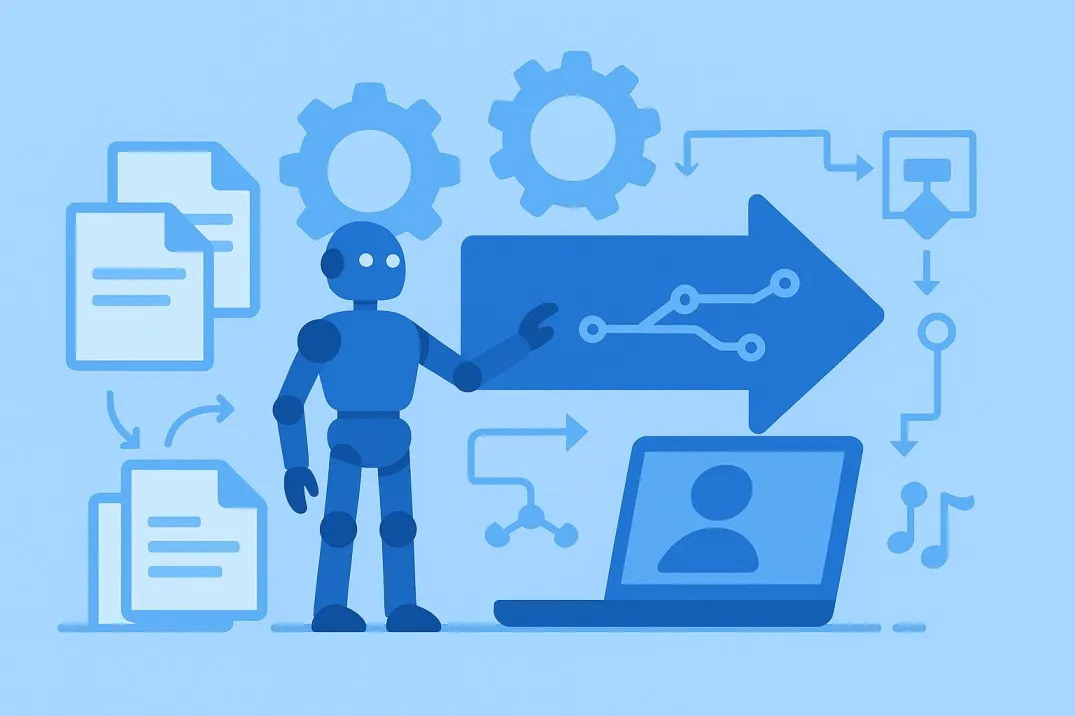
With a management program for conservatories, routine tasks run by themselves: automatic billing of monthly fees, payment reminders by email/SMS, instant enrollment confirmations and digital workday sign-in for teachers. By delegating these processes to the system, you guarantee that every fee is collected on time and that fiscal and academic deadlines are met without manual intervention, reducing the administrative burden and human error by up to 50%.
3 - Better Control of Schedules and Classes
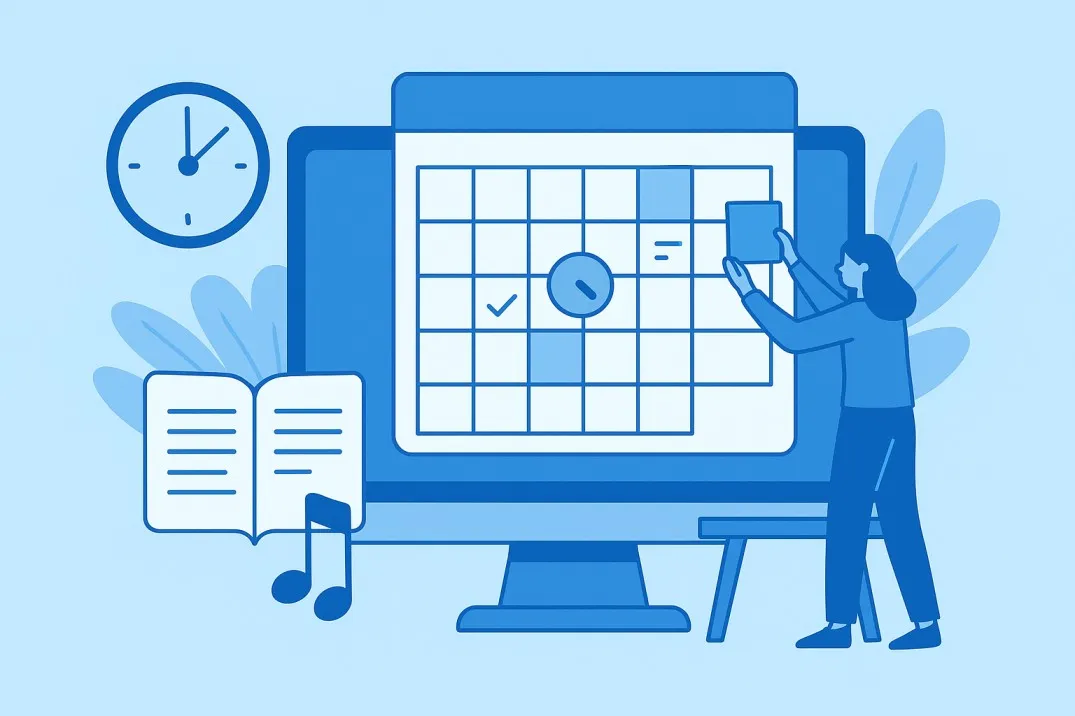
Scheduling in a conservatory —packed with individual lessons, orchestra rehearsals and group subjects— can become a daily puzzle. With scheduling software for music schools you have a drag-and-drop calendar that detects overlaps on the fly, assigns free rooms and validates each teacher's availability. This avoids space conflicts, makes the most of every rehearsal booth and ensures lessons start on time, improving the experience of students and teachers alike.
4 - Tracking and Assessment of Academic Progress
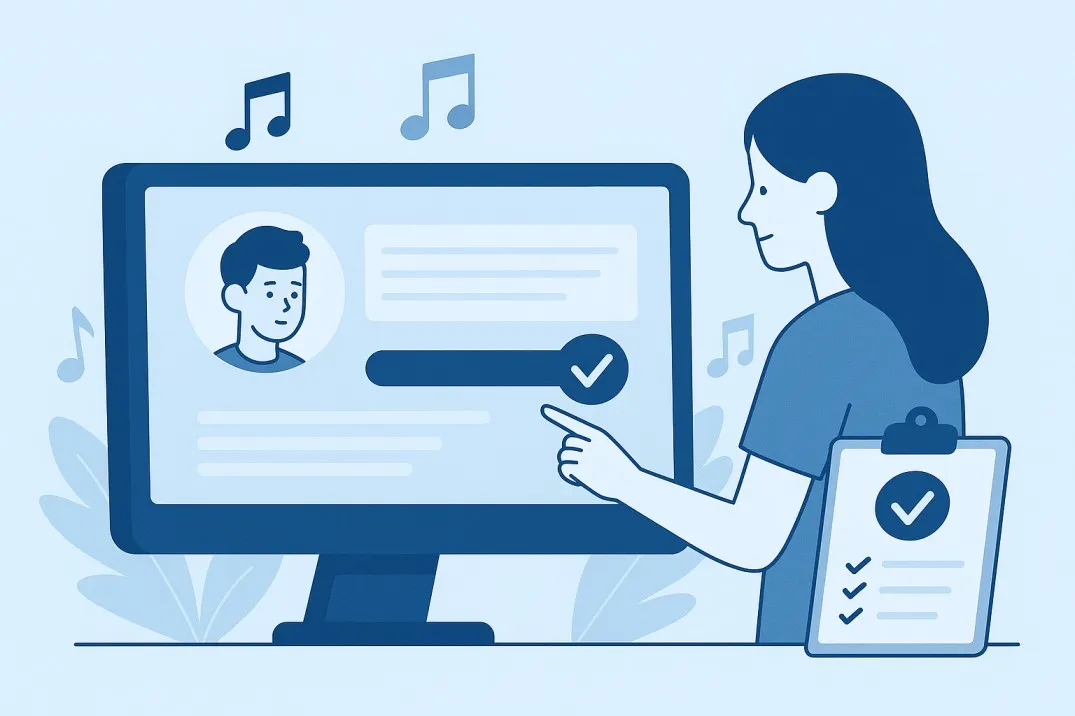
Academic tracking software for music schools records every step of the student: repertoire covered, practice hours, assessments and teacher comments. Thanks to this granular control, the teacher can assign personalized tasks, grade instantly and offer real-time feedback, which fosters teaching adapted to each student's pace and needs and multiplies their motivation and musical progress.
5 - Automation of Billing and Payments
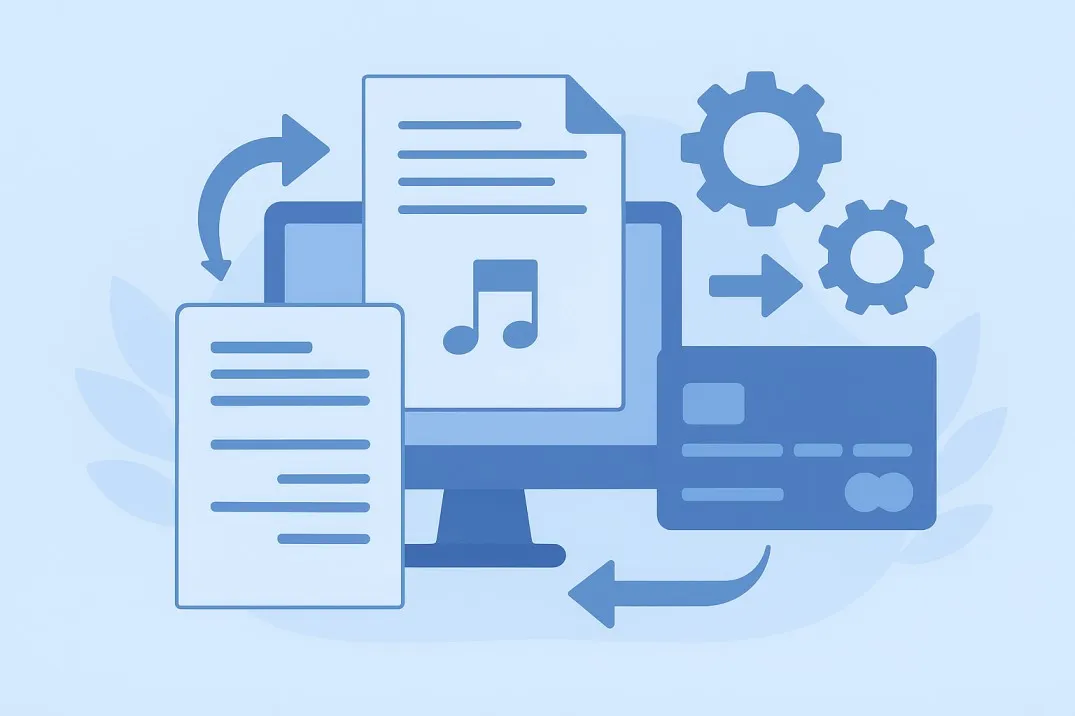
Collecting monthly or per-class fees is a repetitive task that requires precision. Management software can automate this process, generating invoices automatically, recording payments and sending payment reminders to students. It also reduces administrative work, allowing staff to focus more on pedagogical tasks.
Amadeus: the digital baton for your music school.
Shall we talk directly?
The fastest way is to talk. Tell us about your school and we’ll show you how Amadeus adapts to your needs. No strings attached.
6 - Resource and Teaching Material Management
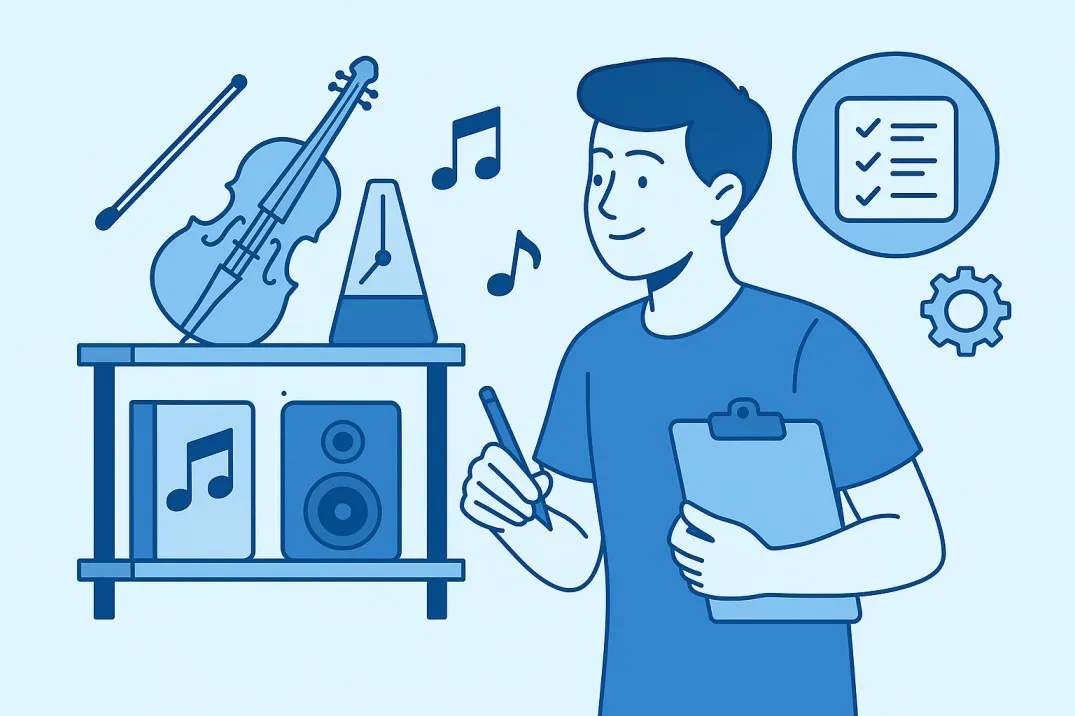
Managing an inventory as diverse as instruments, scores, music stands and sound equipment stops being a problem with resource-control software for music schools. The system tags each item, schedules preventive maintenance alerts and generates restock notices when the stock of strings, reeds or scores falls below the minimum. This way, you optimize the budget, avoid surprises in class and make sure all materials are always in perfect condition and available for teachers and students.
7 - Accessibility and Centralization of Information
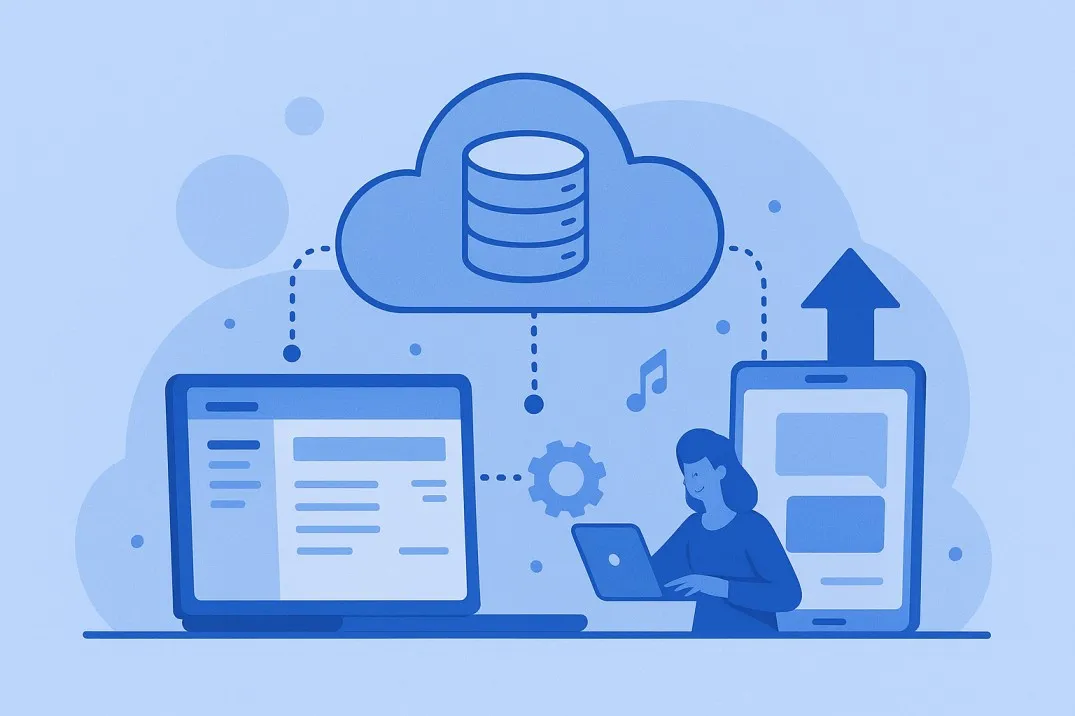
Hosted in the cloud, the online management platform for conservatories centralizes schedules, grades, invoices and upcoming concerts in a single panel accessible 24/7 from a phone, tablet or PC. Managers and administrative staff get real-time reports; teachers update grades instantly; students check their agenda and parents receive immediate notices, all with a single secure login. This multi-device access reinforces transparency and speeds up communication across the entire educational community.
8 - Better Communication with Parents and Students

Thanks to an integrated communication system for music schools, the ERP sends push notifications and automatic emails about schedule changes, extra rehearsals or special concerts. Through the app for parents and students, families can check academic tracking in real time, download report cards and confirm attendance at events. This two-way messaging reduces scattered calls and emails, increases family involvement and keeps the whole community informed to the minute.
9 - Analytics, Reports and Statistics
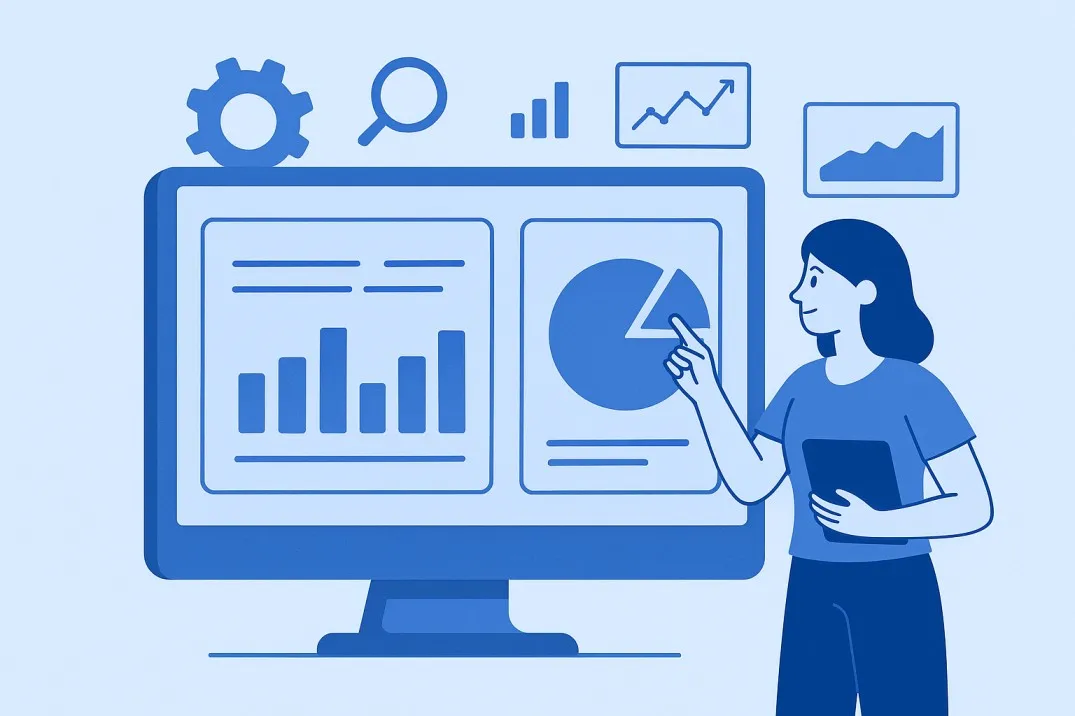
The analytics and reporting module of management software for music schools generates automatic reports on student progress, KPIs of teacher occupancy and profitability of each course or workshop. These interactive dashboards —exportable to PDF or Excel— provide critical data to plan budgets, adjust staffing and design the academic offering for the next term, turning information into precise strategic decisions.
10 - Easy Adaptation of Prices and Offers
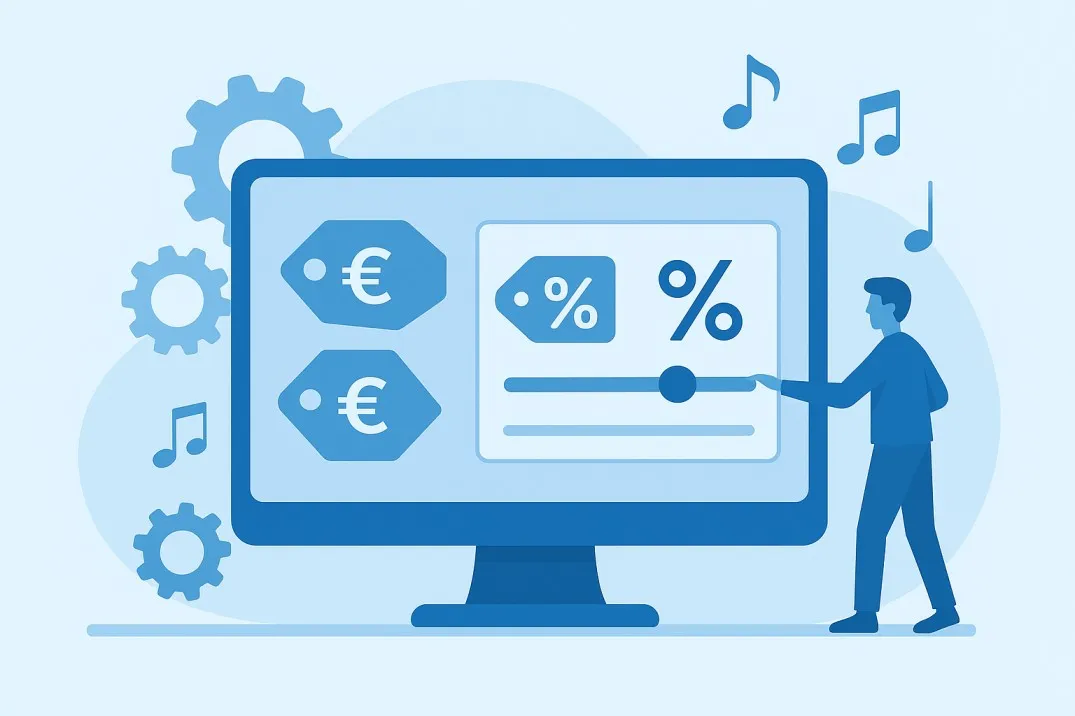
With a management program for conservatories, routine tasks run by themselves: automatic billing of monthly fees, payment reminders by email/SMS, instant enrollment confirmations and digital workday sign-in for teachers. By delegating these processes to the system, you guarantee that every fee is collected on time and that fiscal and academic deadlines are met without manual intervention, reducing the administrative burden and human error by up to 50%.
11 - Impact on Music Teaching
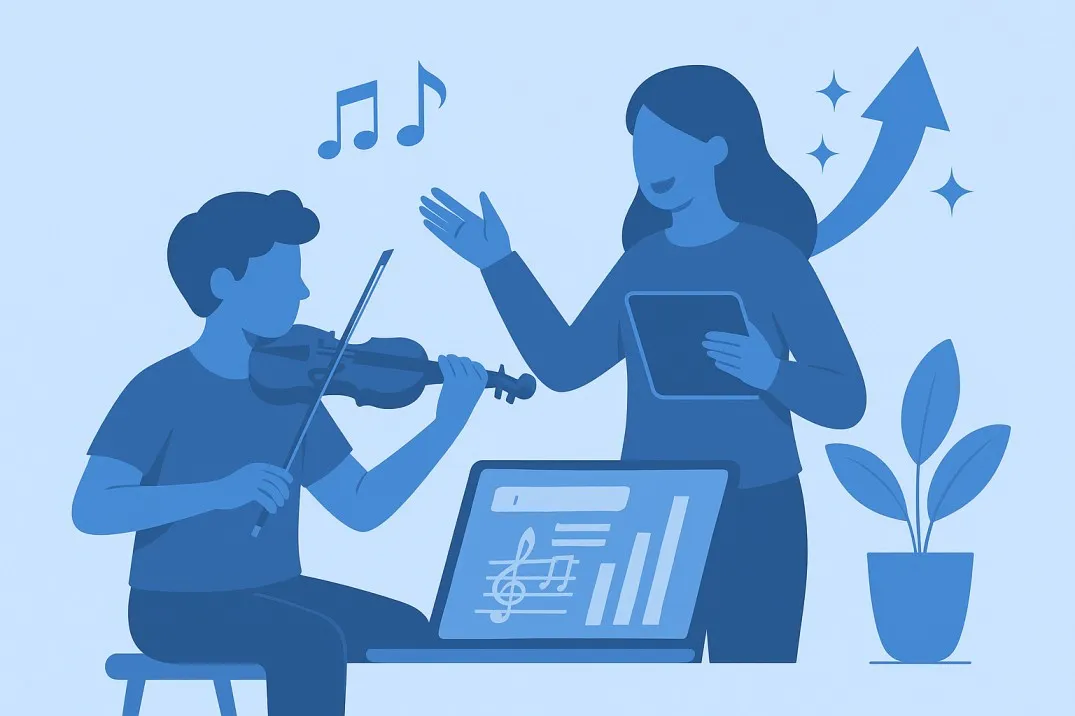
1. More time to teach and prepare classes
By automating schedules, enrollments and payments, teachers gain hours for creating repertoires, individual attention and boosting musical creativity. Less paperwork, more music.
2. Personalized learning experience
With a music education ERP that monitors progress and tasks, each student receives continuous feedback and goals adjusted to their level. This raises motivation and turns the class into a dynamic, participatory experience.
3. Transparency and trust with families
Parents access grades, schedules and extracurricular activities in real time. Transparency strengthens the family-school relationship and makes it easier to support students at home.
4. New hybrid teaching methodologies
Integration with e-learning platforms and the creation of digital lessons enrich music education. The software opens the door to interactive classes, multimedia resources and guided online practice.
5. Strengthening institutional culture
A centralized system fosters collaboration between teachers and administration, drives innovation and projects a modern image of the music school. A center that commits to technology inspires trust and attracts new enrollments.
Conclusion: a key investment for the future of your music school
Adopting management software for music schools and conservatories —also known as a music education ERP— goes far beyond speeding up administrative procedures. By automating processes, optimizing resources and offering personalized academic tracking, this platform raises teaching quality and puts the student at the center of the learning experience.
Digitizing your center is not a passing trend: it is the opportunity to adapt to modern times, attract new enrollments and guarantee high-level music education that drives both the artistic growth and the academic performance of students. In short, investing today in specialized management software is securing the success and competitiveness of your music school tomorrow.